Sofa Cleaning in Your Area: A Practical, SEO-Friendly Approach to Fresher, Healthier Upholstery
Keeping your living room fresh starts with one simple priority: sofa cleaning in your area. Sofas are where families relax, guests gather, pets nap, and snacks often end up in the cushions. Over time, fabric and leather upholstery collect dust, oils, crumbs, allergens, odors, and stains that can make the entire room feel less inviting. Regular sofa cleaning is not only about appearance; it also supports a cleaner indoor environment and helps extend the life of your furniture.
If you have ever searched for professional sofa cleaning, upholstery cleaning, or deep sofa cleaning, you already know that there are many ways to refresh a couch. The right approach depends on the material, the level of soiling, and whether the issue is a visible stain, lingering odor, or general dullness. A well-planned sofa cleaning routine can restore comfort, improve hygiene, and save money by delaying replacement.
This article explains the most effective cleaning methods, what to expect from a professional service, how often to clean different sofa types, and how to maintain your furniture between visits. Whether you own a fabric sectional, a velvet loveseat, or a leather couch, the basics of quality sofa cleaning remain the same: remove contaminants safely, protect the material, and keep the upholstery looking its best.
Why Sofa Cleaning Matters for Every Home

A sofa is one of the most-used items in a home, which means it can quietly gather more dirt than many people realize. Dust, skin flakes, food residue, body oils, and airborne particles all settle into the fibers. Over time, these contaminants affect both appearance and comfort. Sofa cleaning helps remove this buildup before it becomes embedded deep in the fabric.
Another major reason to invest in regular sofa cleaning is allergen control. Upholstery can trap pollen, pet dander, and dust mites, especially in homes with children, pets, or frequent visitors. When the sofa is cleaned properly, allergens are reduced, and the indoor environment feels fresher. For many households, that means fewer odors and a more comfortable living space overall.
There is also a practical benefit: clean upholstery lasts longer. Dirt particles can act like tiny abrasives, wearing down fibers when people sit, shift, or recline. Routine sofa cleaning can reduce this friction and help prevent premature fading, pilling, and fabric damage. In other words, cleaning is not just cosmetic; it is a smart maintenance habit.
Common Problems Sofa Cleaning Can Solve
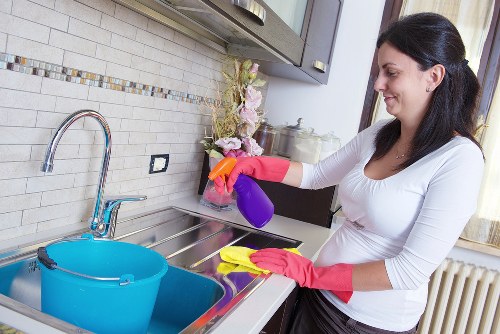
Different sofas show different problems, but most homes encounter a similar set of issues. One of the most common is staining from spills. Coffee, tea, wine, sauces, and greasy snacks can leave visible marks that become harder to remove with time. Prompt sofa cleaning increases the chance of lifting these stains before they set.
Odor is another frequent concern. Upholstery can absorb smells from pets, cooking, smoke, and everyday use. Even if the sofa looks clean, it may still carry stale or musty odors. Professional sofa cleaning often targets odor at the source by removing the trapped particles that cause the smell rather than simply masking it with fragrance.
Discoloration and dullness are also common. Sunlight, body oils, and regular wear can make fabric look aged or uneven. Deep sofa cleaning can brighten the material and improve the overall look of a room. For homeowners preparing for guests, events, or property viewings, this can make a noticeable difference.
Understanding Sofa Materials Before Cleaning
Fabric Sofas

Fabric upholstery is popular because it feels comfortable and comes in many textures and colors. However, fabric also tends to absorb spills and odors more readily than other materials. Effective sofa cleaning for fabric often involves vacuuming, spot treatment, and deep extraction methods that lift dirt from the fibers.
Microfiber, cotton, linen blends, and synthetic fabrics each react differently to moisture and cleaning products. This is why sofa cleaning in a safe and controlled way is so important. Using the wrong method may cause shrinking, water marks, or texture changes. A fabric code on the sofa tag can help determine the best cleaning process.
Leather Sofas
Leather sofas require a different approach. While they do not hold dust in the same way fabric does, they can still accumulate oils, grime, and body residue. Leather cleaning typically involves gentle wiping, pH-balanced products, and conditioning to prevent drying or cracking. Proper sofa cleaning keeps leather supple and attractive while preserving its natural finish.
Step-by-Step Sofa Cleaning Process
1. Inspection and Fabric Testing

The first step in good sofa cleaning is inspection. A professional or homeowner should examine the upholstery for stains, weak seams, faded areas, pet damage, and cleaning instructions. Testing a cleaning product on a hidden section is essential, especially for delicate or color-sensitive fabrics. This simple step reduces the risk of damage and ensures the method is suitable for the material.
2. Thorough Vacuuming
Vacuuming removes loose dirt, dust, crumbs, and pet hair before any wet cleaning begins. Crevice tools, upholstery attachments, and soft brushes help lift debris from seams, piping, and cushions. This stage is often underestimated, but it is one of the most important parts of sofa cleaning because it prevents grime from being pushed deeper into the fabric during treatment.
3. Pre-Treatment of Stains
Spot stains usually need targeted attention. Depending on the type of spill, a cleaning specialist may apply a mild detergent, stain remover, or enzyme-based solution. The goal is to break down the residue without harming the upholstery. A careful pre-treatment step improves the outcome of sofa cleaning and makes deep cleaning more effective.
4. Deep Cleaning or Extraction
For many fabric sofas, hot water extraction or steam-based cleaning is used to flush dirt out of the fibers. This method is especially useful when the sofa has built-up grime or odor. In contrast, some materials require low-moisture cleaning to avoid over-wetting. The right method depends on the sofa’s construction, so professional sofa cleaning is often the safest option for valuable furniture.
5. Drying and Finishing
Proper drying is critical. A damp sofa may attract new dirt or develop mildew if not dried correctly. Air circulation, fans, and low humidity help speed the process. Once dry, cushions are reset and the upholstery is brushed or fluffed to restore texture. The result is a cleaner, fresher sofa that is ready for everyday use again.
DIY Sofa Cleaning vs Professional Sofa Cleaning
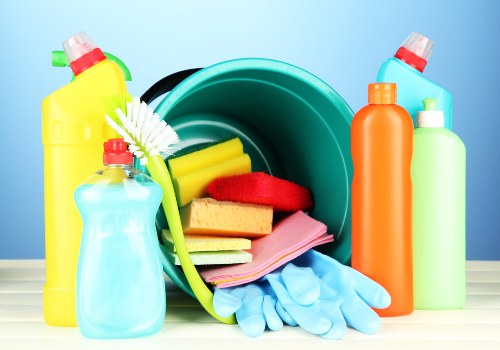
Many homeowners like to handle basic maintenance themselves, and that can be a good strategy. Vacuuming, removing loose debris, and treating a fresh spill quickly are excellent habits. Mild cleaning solutions can work for small blemishes, especially when used carefully and according to the fabric label. For routine upkeep, DIY sofa cleaning can absolutely help maintain freshness.
However, there are limits to what home methods can achieve. Store-bought products may not penetrate deeply enough to remove embedded dirt, bacteria, or odors. Some DIY treatments can also leave residue, which attracts more soil over time. If a sofa has stubborn stains, extensive odor, pet accidents, or years of built-up grime, professional sofa cleaning is usually the better choice.
Professional services bring specialized equipment, tested products, and experience with different upholstery types. They can identify fabric codes, choose the safest method, and clean more thoroughly than most household tools. For larger homes, high-traffic family rooms, or expensive furniture, professional sofa cleaning provides both convenience and better long-term results.
How Often Should You Clean a Sofa?
The right cleaning schedule depends on how much the sofa is used. A lightly used formal sitting room may need sofa cleaning once or twice a year. A busy family sofa, on the other hand, may benefit from cleaning every 6 to 9 months. Homes with pets, children, or allergy concerns often need more frequent attention to keep upholstery fresh.
Visible dirt is not the only signal. If the sofa looks slightly darker in the armrests, smells stale, or feels less soft than usual, it may be time for a deeper treatment. Regular maintenance is the best way to prevent problems from building up. A good sofa cleaning schedule can protect the furniture and reduce the need for intensive restoration later.
Seasonal cleaning also makes sense for many households. Spring and autumn are popular times because they align with broader home maintenance routines. If you have special events coming up, booking sofa cleaning in advance can help ensure your living room looks polished and welcoming.
Benefits of Professional Upholstery and Sofa Cleaning
There are several reasons homeowners choose professional upholstery cleaning over quick home remedies. First, a professional service typically removes more dirt. Deep-cleaning equipment reaches into the padding and fibers where ordinary vacuums cannot. This means a more thorough clean and a noticeably fresher finish.
Second, professional sofa cleaning can improve indoor air quality by reducing trapped allergens and dust. Third, it can save time and effort. Instead of trying multiple products or spending hours scrubbing, you get a targeted treatment suited to the exact upholstery type. For busy households, that convenience is a major advantage.
Professional sofa cleaning also offers peace of mind. Delicate fabrics, expensive designer pieces, and vintage furniture can be damaged by improper cleaning. Experienced technicians know how to handle fabric blends, leather, suede-like materials, and removable cushion covers with care. That expertise helps protect your investment.
Tips to Keep Your Sofa Cleaner Between Services
Even the best sofa cleaning results will not last forever if the furniture is not maintained. Fortunately, there are several simple habits that can help:
- Vacuum weekly to remove dust, crumbs, and pet hair.
- Rotate cushions regularly to reduce uneven wear.
- Blot spills immediately instead of rubbing them.
- Use washable throws or covers in high-use areas.
- Keep pets’ nails trimmed to limit fabric snags.
- Avoid eating messy foods directly on the sofa when possible.
- Open windows or use ventilation to reduce trapped odors.
These habits make sofa cleaning easier and more effective when the time comes for a deeper refresh. They also help preserve the fabric color and texture. A little routine care can go a long way toward keeping the couch looking newer for longer.
How Sofa Cleaning Improves Home Appearance and Comfort
A clean sofa changes the whole feel of a room. When upholstery looks fresh, the space appears more organized and well cared for. Even if the rest of the room is tidy, a stained or dusty sofa can create the impression of neglect. That is why sofa cleaning is often one of the fastest ways to improve the overall look of a living area.
Comfort matters too. Sitting on a clean, odor-free sofa is more pleasant for everyone in the home. You may notice softer fabric, brighter colors, and a more inviting atmosphere. This is especially noticeable in family rooms, guest spaces, and apartments where the sofa plays a central role in daily life.
There is also a psychological benefit. Fresh, clean surroundings can make people feel more relaxed and comfortable. In that sense, sofa cleaning contributes to both aesthetics and well-being. It is a small home improvement with an outsized impact.
What to Look for in a Sofa Cleaning Service
If you decide to book a service, look for a provider that understands different upholstery materials and offers a clear cleaning process. A strong sofa cleaning provider should be able to explain how they inspect the fabric, what products they use, how they handle stains, and how long drying is likely to take. Transparency matters because it helps you know what to expect.
It is also worth asking whether the service is suitable for your specific sofa type. Some fabrics need low-moisture treatment, while others respond well to extraction cleaning. Leather requires different care than microfiber or cotton. The best sofa cleaning providers tailor their method to the furniture rather than applying one standard process to every job.
Look for signs of professionalism such as clear communication, proper equipment, and attention to detail. When a team takes time to assess the sofa before starting, that usually leads to better results. Quality sofa cleaning should feel careful, deliberate, and material-specific.
How to Prepare for a Sofa Cleaning Appointment
Preparing ahead of time helps the appointment go smoothly. Start by removing loose items such as blankets, toys, and cushions if requested. Clear a path to the sofa so the technicians can work efficiently. If you know about a specific stain or odor source, mention it during the initial inspection so the cleaning process can focus on it.
It can also help to vacuum lightly beforehand, though many professionals will do a full vacuum as part of the service. If the sofa has a manufacturer care tag, keep it accessible. This can speed up identification of fabric codes and guide the safest sofa cleaning method. Preparation saves time and can improve the final result.
Finally, plan for drying time. After sofa cleaning, it is best to avoid heavy use until the upholstery is fully dry. If possible, schedule the service when the room will not be needed immediately. That small bit of planning helps protect the freshly cleaned fabric.
Frequently Asked Questions About Sofa Cleaning
Can every sofa be steam cleaned?
No, not every sofa is suitable for steam cleaning. Some fabrics can shrink, bleed, or become distorted if exposed to too much heat or moisture. Always check the care label and use the correct sofa cleaning method for the material.
Will sofa cleaning remove all stains?
Not always. Fresh stains usually respond better than older ones, and some substances may permanently alter the fabric. That said, professional sofa cleaning often improves stain appearance significantly and may fully remove many common marks.
How long does a sofa take to dry?
Drying time depends on the method used, the fabric type, room temperature, airflow, and humidity. Some sofas dry within a few hours, while others may take longer. Good ventilation helps the process after sofa cleaning.
Is sofa cleaning safe for pets and children?
When appropriate products are used and the sofa is fully dry, the process is generally safe. If you have sensitivities, ask about the solutions being used and make sure the upholstery is ready before children or pets return to the furniture.
Why this matters for long-term furniture care
These questions come up often because sofa cleaning is not just about removing surface dirt. It is about choosing the right method for safety, appearance, and durability. The better the match between fabric and cleaning technique, the better the final result.
A simple reminder before you clean
Always test first, clean gently, and dry thoroughly. That approach helps protect your upholstery and makes sofa cleaning more reliable over time.
Final Thoughts on Sofa Cleaning in Your Home
Sofa cleaning is one of the most effective ways to keep a living space fresh, healthy, and inviting. From stain removal and odor reduction to allergen control and fabric preservation, the benefits are easy to see. Whether you prefer routine DIY maintenance or choose professional upholstery cleaning, consistent care makes a major difference in the life of your furniture.
If your sofa has started to look tired, smell stale, or feel less comfortable, now is the right time to act. A focused cleaning routine can restore its appearance and create a more pleasant environment for everyone in the home. Book your service now if you want a deeper refresh, or start with simple maintenance today to keep dirt from building up.
For the best results, choose a method that matches your sofa material, address spills quickly, and schedule regular deep cleaning as part of your home care routine. With the right approach to sofa cleaning in your home, your furniture can stay cleaner, last longer, and look great day after day. Contact us today to take the next step toward a fresher living room.