Understanding the Power of Sustainable Living: Practical Benefits, Everyday Habits, and Long-Term Impact

Person using reusable items as part of sustainable livingSustainable living has become one of the most important conversations of our time, and for good reason. As people look for ways to reduce waste, save money, and make healthier choices, the idea of living more sustainably continues to grow in relevance. At its core, sustainable living is about making decisions that support the environment, the economy, and personal well-being without compromising the needs of future generations. It is not a passing trend or a niche lifestyle choice; it is a practical approach to modern life that can be adapted by individuals, families, and communities in meaningful ways.

Many people hear the phrase sustainable lifestyle and assume it requires major sacrifices, expensive products, or radical changes. In reality, the opposite is often true. Small, consistent actions can create significant benefits over time. Choosing reusable items, reducing food waste, conserving energy, and making thoughtful purchasing decisions are all examples of changes that can fit naturally into everyday routines. These choices often lead to lower expenses, less clutter, and a greater sense of control over personal consumption habits.

Sustainable living also connects strongly to broader environmental concerns, including climate change, pollution, and resource depletion. The way people consume energy, dispose of materials, and produce waste has real consequences for ecosystems and communities. By understanding these connections, individuals can make informed decisions that support a cleaner and more resilient future. The shift toward greener living is not only about environmental responsibility; it is also about improving quality of life in practical and measurable ways.

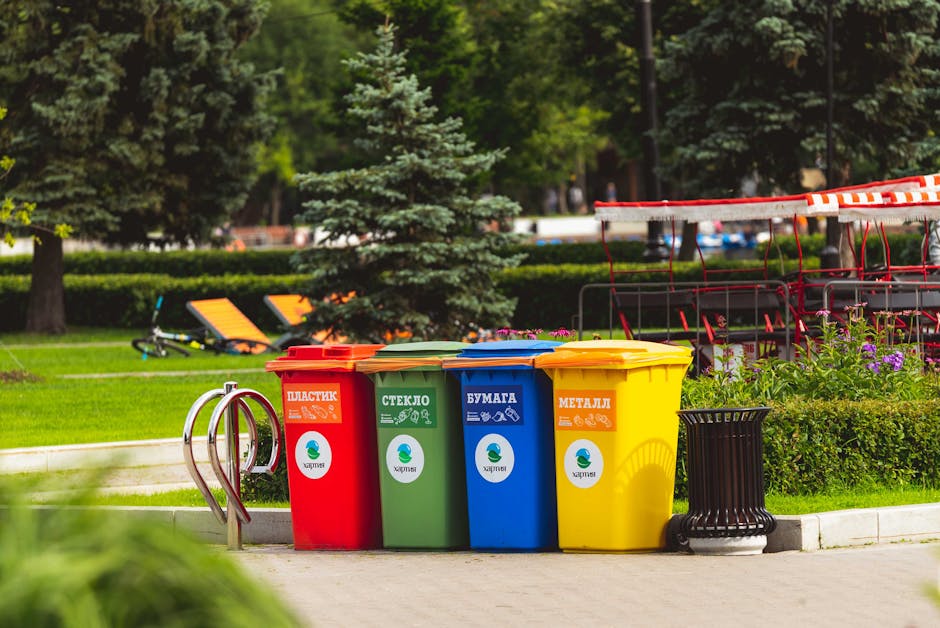
One of the most appealing aspects of sustainable living is that it can begin with simple changes. For example, reducing single-use plastics can dramatically decrease household waste. Carrying a reusable water bottle, shopping bag, or coffee cup may seem small, but when these habits are adopted consistently, they reduce demand for disposable items and help normalize environmentally responsible behavior. Similar progress can be made by repairing items instead of replacing them, choosing durable products, and supporting businesses that prioritize long-lasting materials and ethical sourcing.

Food habits are another major area where sustainable choices make a difference. Planning meals carefully, storing ingredients properly, and using leftovers creatively can reduce food waste while saving money. Many households throw away edible food simply because they buy too much or fail to organize what they already have. A more mindful approach to food consumption can improve nutrition, reduce unnecessary spending, and lower the environmental cost associated with production, packaging, and disposal. In this way, sustainable eating is both a personal and planetary benefit.

Energy use is also central to a more eco-conscious lifestyle. Turning off unused lights, using energy-efficient appliances, improving insulation, and being mindful of heating and cooling needs can all reduce utility costs. Over time, these practices can make a noticeable difference in both household budgets and environmental impact. Energy-saving habits for a more eco-friendly homeFor many families, energy conservation becomes a habit rather than a chore once the benefits become visible. The key is to make sustainability feel manageable rather than overwhelming.

Transportation choices matter as well. Walking, cycling, carpooling, and using public transportation can all reduce emissions while improving physical health and reducing fuel costs. Even when driving remains necessary, combining errands into a single trip or maintaining a fuel-efficient vehicle can lessen the overall environmental footprint. The wider adoption of low-impact travel habits can help create cleaner air, quieter neighborhoods, and more efficient cities. These outcomes show how eco-friendly living can improve both individual lifestyles and public spaces.

Consumer habits are deeply tied to sustainability. Modern shoppers are often encouraged to buy more, replace items frequently, and follow fast-moving trends. However, a sustainable approach emphasizes quality over quantity. Choosing products that are built to last, made from responsibly sourced materials, or designed for repair and reuse can reduce waste and encourage smarter spending. This mindset does not mean avoiding new purchases entirely; it means becoming more intentional about what is bought and why it is needed.

Another essential part of sustainable living is learning to value resources differently. Water, electricity, packaging, clothing, furniture, and even time can all be used more wisely. When people begin to notice how much is wasted through convenience-based habits, they often discover opportunities for improvement. Mindful consumption and waste reduction conceptMindful consumption is not about perfection. It is about progress, awareness, and consistent improvement across daily routines.

The Social and Economic Benefits of Sustainable Choices

Sustainability is often discussed in environmental terms, but its benefits extend far beyond the natural world. It also supports stronger finances, healthier communities, and more resilient local economies. Households that reduce waste, conserve energy, and purchase with intention often spend less over time. Durable goods may have a higher upfront cost, but they frequently last longer and perform better than cheaper alternatives that require frequent replacement. As a result, the long-term value of sustainable living often outweighs the initial investment.

Communities also benefit when sustainable practices are widely adopted. Local farmers, small businesses, repair services, recycling programs, and public transit systems all play a role in a healthier economy. When people choose to support local and ethical enterprises, they help create jobs and encourage responsible production methods. This can strengthen community identity while reducing the environmental costs associated with long-distance shipping and mass consumption.

There is also a social dimension to sustainability that should not be overlooked. Communities that invest in greener infrastructure and healthier food systems often see improvements in public health, accessibility, and quality of life. Cleaner neighborhoods, more walkable streets, better air quality, and lower waste levels contribute to a more enjoyable daily experience. These changes may begin with individual action, but they can grow into collective benefits that shape entire regions.

Education plays a major role in expanding the reach of sustainable living. When people understand the effects of their choices, they are more likely to act in ways that support long-term well-being. Schools, workplaces, and families all influence how people think about consumption, waste, and conservation. The more sustainability becomes part of everyday conversation, the more normal and achievable it becomes. This is why green habits are most effective when they are integrated into routine life rather than treated as occasional efforts.

Technology has made sustainable living more accessible in recent years. Energy-efficient appliances, smart thermostats, water-saving fixtures, and digital tools that track consumption can help people make better decisions with less effort. At the same time, online marketplaces and sharing platforms make it easier to buy secondhand goods, exchange items, and reduce unnecessary purchases. Technology does not solve every environmental challenge, but it can support better habits when used responsibly.

Still, it is important to remember that sustainable living is not dependent on buying the newest gadget or following a perfect formula. In many cases, the most meaningful actions are also the simplest. Using what already exists, wasting less, and repairing instead of discarding are timeless principles that align with both traditional frugality and modern environmental goals. Community benefits of sustainable and eco-friendly choicesThese actions show that sustainability can be practical, accessible, and deeply effective without becoming complicated.

Why Sustainable Living Matters More Than Ever

Climate change, resource scarcity, and pollution are increasingly visible across the world, making sustainable choices more urgent than ever before. Extreme weather, ecosystem disruption, and rising demand for energy and materials all point toward the need for a more balanced way of living. Sustainable living offers a response that is both realistic and adaptable. It does not require waiting for large-scale policy changes to begin making a difference; instead, it empowers people to act in ways they can control.

Another reason sustainability matters is that it encourages resilience. Households that manage resources carefully are often better prepared for financial uncertainty, supply disruptions, or rising costs. A home that wastes less energy, stores food efficiently, and owns fewer unnecessary items can often adjust more easily to change. This resilience is one of the most underrated benefits of an environmentally conscious lifestyle. It demonstrates that living responsibly can also increase stability and peace of mind.

Many people also find that sustainable habits improve their relationship with daily life. Instead of feeling rushed by constant consumption and disposal, they begin to notice the value of what they already have. This can reduce stress and create a greater sense of appreciation. In this way, sustainable living supports not only the environment but also a more thoughtful and satisfying personal routine. Long-term impact of a conscious sustainable lifestyleWhen people shift from mindless buying to intentional living, they often experience a clearer sense of purpose.

Common Misconceptions About Eco-Friendly Living

One common misconception is that sustainable living is only for people with high incomes or special knowledge. While some eco-friendly products can be expensive, sustainability is often more about behavior than buying power. Reusing materials, reducing waste, conserving utilities, and making better choices at the point of purchase are all accessible habits. Many of the most effective strategies require only attention and consistency, not a large budget.

Another myth is that small actions do not matter. In fact, small actions are often the foundation of larger change. A single household reducing waste may seem insignificant, but when millions of households do the same, the impact becomes substantial. Social change usually begins with everyday habits before expanding into broader cultural norms. This is why the cumulative effect of sustainable habits is so powerful.

Some people also believe that sustainable living is restrictive or inconvenient. While certain habits require adjustment, many people discover that these changes actually simplify life. Fewer unnecessary purchases, less clutter, lower bills, and more thoughtful routines can create a more manageable lifestyle. Sustainability is not about losing comfort; it is about redefining comfort in a way that aligns with long-term health and responsibility.

Building a More Sustainable Future Through Daily Action

Creating a sustainable future does not depend on perfection. It depends on repeated choices made with awareness and purpose. Whether the goal is reducing waste, saving money, improving health, or protecting the environment, the path forward is made up of ordinary decisions. These decisions include how people shop, what they eat, how they travel, and how they use resources at home. Over time, these everyday habits shape broader patterns of demand and behavior.

Families can begin by identifying one or two areas where change feels realistic. For some, that may mean reducing food waste. For others, it may mean using less electricity or buying fewer disposable items. Small wins build momentum, and momentum builds confidence. The more sustainable living becomes part of normal routine, the less effort it requires. This is one reason it is effective to focus on long-term consistency rather than immediate transformation.

Businesses and institutions also have an important role to play. When organizations adopt responsible sourcing, reduce packaging, improve efficiency, and support ethical labor practices, they help create systems that make sustainability easier for everyone. Consumers can reinforce this progress by rewarding companies that demonstrate genuine commitment to better practices. In this way, individual action and institutional change can strengthen one another.

The Lasting Value of a Conscious Lifestyle

The true value of sustainable living lies in its ability to create benefits that are immediate, practical, and long-lasting. It reduces waste, lowers costs, supports health, and encourages a deeper sense of responsibility. It also helps people reconnect with the value of resources that are too often taken for granted. Whether through energy conservation, thoughtful purchasing, or reduced food waste, each action contributes to a larger pattern of care.

As more people embrace this mindset, sustainable living becomes less of a personal preference and more of a shared cultural standard. That shift matters because it shapes the future of neighborhoods, economies, and ecosystems alike. A world that values efficiency, durability, and responsibility is better equipped to face modern challenges with confidence. The process begins with simple habits, but the results can be far-reaching and enduring.

Ultimately, sustainable living is about making choices that support a better balance between human needs and planetary limits. It is a practical, hopeful, and adaptable approach to everyday life. By adopting environmentally responsible habits and encouraging others to do the same, individuals contribute to a future that is healthier, fairer, and more resilient. The journey may start with a single decision, but its impact can last for generations.


Services

service image

Carpet Cleaning

SEO-friendly article on carpet cleaning, covering methods, benefits, stain removal, maintenance, and professional services with HTML structure and image placeholders.

service image

Commercial Carpet Cleaning

SEO-optimized article on commercial carpet cleaning, covering benefits, methods, scheduling, industries, and maintenance tips in a professional tone.

service image

Curtain Cleaning

SEO-optimized article on curtain cleaning, covering methods, fabric care, benefits, frequency, and professional service tips in structured HTML.

service image

Mattress Cleaning

A detailed article on mattress cleaning, covering methods, stain removal, prevention tips, and professional cleaning benefits.

service image

Pet Stain Odour Removal

SEO-friendly article on pet stain odour removal, covering causes, DIY methods, professional cleaning, and prevention tips.

service image

Rug Cleaning

SEO-optimized article on rug cleaning, covering methods, rug types, stains, professional services, allergy benefits, and maintenance tips.

service image

Sofa Cleaning

SEO-friendly article on sofa cleaning, covering methods, benefits, materials, schedules, and maintenance with structured HTML and CTAs.

service image

Stain Removal

SEO-friendly article on stain removal for clothing, carpets, upholstery, and hard surfaces with practical tips, lists, and CTAs.

service image

Steam Carpet Cleaning

SEO-friendly article on steam carpet cleaning in, covering benefits, process, timing, preparation, maintenance, and choosing a service.

Frequently Asked Questions

Sustainable living means making everyday choices that reduce waste, lower energy use, and support healthier homes and communities. For homeowners and families, that can include improving insulation, switching to efficient lighting, reducing water waste, and choosing longer-lasting products. Our team has served households looking for practical, affordable ways to live more sustainably without sacrificing comfort. The best approach is the one that fits your budget and lifestyle. If you want a reliable starting point, get in touch for a quote and tailored advice.

The best trusted provider is usually one that combines real-world experience, clear guidance, and verified customer care. Look for a team that has hands-on experience helping homes and businesses cut waste, improve efficiency, and make safer choices. Our team has served local customers with practical sustainability solutions, and we focus on professionalism, transparency, and results. A reliable provider should explain options clearly, answer questions honestly, and offer a plan that suits your needs. Contact us for a friendly, no-pressure quote.

Some of the most affordable upgrades include LED lighting, draught-proofing, low-flow taps, smart thermostats, and better recycling habits. These changes often pay for themselves through lower utility bills and reduced waste. If you are looking for the best value, start with improvements that have quick payback and low disruption. Our team has helped customers choose cost-effective options that fit different budgets while still making a meaningful environmental impact. Get in touch for a quote if you want practical recommendations that work.

Professionals typically begin with a property walk-through, then use modern tools such as thermal imaging cameras, moisture meters, power monitors, and energy assessment software. These industry-standard methods help identify heat loss, water waste, and areas where efficiency can improve. Our team uses a careful, evidence-based approach so recommendations are practical and not guesswork. This means you get clearer priorities, better value, and safer upgrades. If you want a reliable assessment from an experienced team, contact us for more details.

Trusted sustainability experts often use modern equipment like thermal cameras, infrared thermometers, smart plugs, air-quality monitors, and digital energy audit tools. These tools help measure performance accurately and spot issues that are not visible during a basic inspection. Our team uses industry-standard methods to make sure advice is based on data, not assumptions. That improves quality, safety, and reliability for customers. If you are comparing providers, ask what tools they use and how they support their recommendations. Get in touch for a quote.

Yes, when the work is carried out by trained professionals who follow safe procedures and use suitable products. A reliable provider should explain any risks, recommend low-toxicity or energy-efficient options where possible, and keep disruption to a minimum. Our team has served families who want safer, more comfortable homes while still reducing their environmental impact. We also work carefully and communicate clearly so you always know what to expect. If safety and professionalism matter to you, contact us for advice or a quote.

Look for companies affiliated with recognized industry bodies, trade associations, or sustainability networks that show a commitment to standards and accountability. Depending on the service, useful affiliations may include energy-efficiency, environmental, building, or property-maintenance bodies. A reputable company should be happy to explain its memberships and what they mean for the customer. Our team values professionalism and ongoing development, because trusted advice should be backed by recognized expertise. If you want a provider you can feel confident in, get in touch for a quote.

Ask for proof of relevant certifications, public liability insurance, and, where applicable, employer’s liability cover. A trustworthy provider should also be able to confirm staff training, vetting, and any compliance requirements that apply to the work being done. These protections help safeguard your home, your budget, and your peace of mind. Our team prioritizes legal compliance and customer protection, and we believe transparency is essential. If you want a reliable service with clear standards, contact us and ask about our cover and credentials.

Yes, sustainable living often improves comfort, health, and day-to-day convenience as well as reducing costs. Better insulation can make homes warmer, efficient appliances can lower bills, and reduced waste can make routines simpler and less stressful. Many customers also value the peace of mind that comes from making responsible choices. Our team has seen first-hand how small changes can create long-term benefits for families and property owners. If you want affordable improvements with real lifestyle value, get in touch for a quote.

The most reliable way is to start with one or two high-impact changes, such as reducing energy waste, cutting single-use items, or improving home efficiency. A step-by-step approach is easier to maintain and more affordable than trying to change everything at once. Our team has helped customers build realistic plans based on their priorities, budget, and property type. That makes progress feel manageable and measurable. If you want clear, practical next steps from an experienced team, contact us for a quote.

Compare providers by looking at experience, customer reviews, qualifications, insurance, and the clarity of their advice. The best companies will explain what they do, what results you can expect, and how they keep quality and safety standards high. A trusted provider should also be transparent about pricing and whether the service is suitable for your needs. Our team focuses on reliable, customer-friendly support and practical outcomes. If you are searching for a dependable local option, get in touch for a quote.

DIY changes can work for some simple tasks, but professionals bring experience, specialist equipment, and a better understanding of what will deliver the most value. That can save time, reduce mistakes, and improve safety and reliability. Our team has served clients who wanted affordable, effective solutions without trial and error. We use proven methods, follow professional standards, and tailor advice to your property and goals. If you want the best balance of cost, quality, and peace of mind, contact us for a quote.
Kingston Upon Thames Carpet Cleaners

An in-depth article on sustainable living, covering practical habits, environmental impact, economic benefits, and long-term value.

Get a Quote

What Our Customers Say

Excellent on Google
4.9 (10)

Superb work by Cleaning Firm Kingston upon Thames for our end of tenancy cleaning today. Friendly team, went above and beyond, and left the property sparkling clean everywhere. Thank you!

Google Logo
B

The cleaner was timely and really pleasant, tackling even the most stubborn stains. I have no hesitation recommending them!

Google Logo
G

Workers completed their task quickly and courteously, explained the whole process, and did an excellent job for a fair price.

Google Logo
M

Extremely efficient and polite staff who communicated clearly and did fantastic work at a price better than expected.

Google Logo
K

Exceptional service from Upholstery Cleaning Services Kingston upon Thames; very professional and dependable for house cleaning. Highly recommend.

Google Logo
I

Seamless experience all the way through. The end of tenancy and carpet cleaning were flawless. Exceptional customer service and attractive pricing.

Google Logo
D

Having booked different cleaners, this service truly stands out. The team was punctual and left my place looking the cleanest it's ever been.

Google Logo
J

After years of service, End of Tenancy Cleaners Kingston upon Thames continues to provide excellent cleaning for our home. The staff is always reliable, trustworthy, and efficient. Highly recommended!

Google Logo
K

Unbeatable cleaning! The team was both diligent and courteous. The spotless results left me impressed, and their updates made it an easy experience.

Google Logo
B

My flat was desperately in need of cleaning, so I scheduled a deep clean with KingstonUponThamesCarpetCleaners. The cleaner was detailed and careful, making every surface and appliance look fantastic.

Google Logo
K

Get In Touch With Us.

Please fill out the form below to send us an email and we will get back to you as soon as possible.