Carpet Cleaning in Your Area: A Practical, SEO-Friendly Look at Cleaner, Fresher Floors
Why Carpet Cleaning Matters for Homes and Businesses
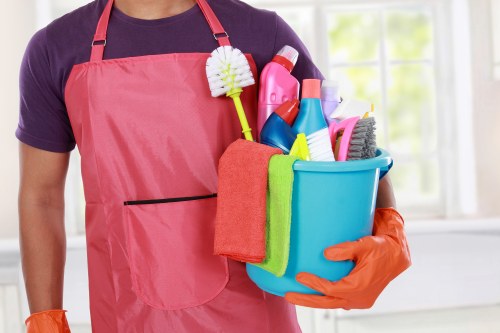
Carpet cleaning is more than a cosmetic task. It helps preserve the appearance of flooring, supports a healthier indoor environment, and can extend the life of your investment. Whether you manage a busy household, run a retail space, or maintain an office, regular carpet cleaning keeps fibers from becoming packed with dust, debris, and daily wear.
Many people notice carpets only when they start to look dull, develop odors, or show visible stains. By that point, soil has often settled deeper into the pile. Routine carpet cleaning helps prevent this buildup and makes day-to-day maintenance easier. A cleaner carpet also improves the overall feel of a room, making it look brighter, neater, and more inviting.
In busy environments, carpet acts like a filter. It catches dirt, pollen, pet dander, and airborne particles. That is useful at first, but without proper care, those particles remain trapped. Professional carpet cleaning or consistent deep-cleaning methods can help remove what vacuuming alone cannot reach.
Understanding the Main Carpet Cleaning Methods
There is no single solution for every carpet. The best carpet cleaning method depends on fiber type, level of soil, stain severity, and how quickly the carpet must dry. Choosing the right process helps protect the material and produce better results.
One of the most common approaches is hot water extraction, often called steam cleaning. This method uses heated water, cleaning solution, and suction to draw out dirt from deep in the fibers. It is widely used for residential carpet cleaning because it can tackle embedded grime and many common stains.
Another popular method is dry carpet cleaning. This technique uses specialized compounds or low-moisture systems to loosen and lift soil. It is often chosen for areas that need a short drying time, such as commercial properties, offices, and hallways with heavy foot traffic.
Hot Water Extraction
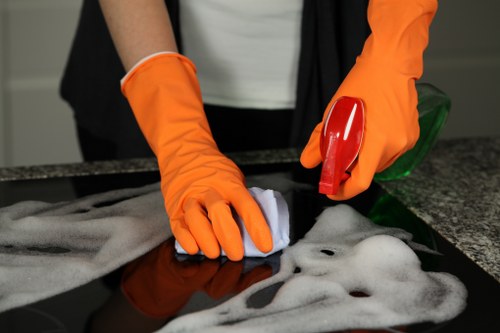
Hot water extraction remains one of the most effective forms of carpet cleaning. It penetrates deep into the fibers, breaks up stubborn dirt, and removes residue through strong suction. This makes it especially useful for carpets with frequent traffic, pet accidents, or older stains that have settled over time.
Because this method uses moisture, drying time matters. Good airflow, proper extraction, and the right amount of solution all help speed up the process. When done correctly, hot water extraction can leave carpets cleaner and fresher without leaving behind sticky buildup.
For many households, this is the preferred carpet cleaning technique when they want a strong refresh. It is also a smart choice before hosting events, moving into a new property, or preparing a rental for the next occupant.
Dry Cleaning and Low-Moisture Options
Dry carpet cleaning is useful when convenience is a top priority. Instead of soaking the carpet, this method uses minimal moisture and fast-acting compounds. That means less downtime and reduced risk of over-wetting delicate fibers. It can be a practical option for commercial carpet cleaning where operations need to continue quickly.
Low-moisture systems are also valued for routine maintenance. They are often used between deep cleanings to keep carpets looking presentable. While they may not always match the deep extraction power of hot water methods, they can be a smart part of a consistent care plan.
How Carpet Cleaning Supports Indoor Air Quality

One of the biggest benefits of carpet cleaning is its impact on indoor air quality. Carpet can trap dust, allergens, and fine particles that would otherwise circulate in the air. When those materials build up, they can affect comfort, especially for people sensitive to allergens.
Vacuuming helps, but it does not fully remove what settles beneath the surface. Deep carpet cleaning lifts hidden debris and reduces the amount of particulate matter stored in the flooring. That can make a noticeable difference in homes with children, pets, or residents who deal with seasonal allergies.
In offices, cleaner carpets can also improve the atmosphere. Employees and visitors often notice when a space feels fresh. A well-maintained floor can help support a more professional impression and a cleaner-feeling environment overall.
Common Contaminants Found in Carpet
- Dust and dust mites
- Pollen and outdoor particles
- Pet dander and hair
- Food crumbs and organic residue
- Tracked-in dirt and grit
- Moisture-related odors
These contaminants collect gradually, which is why regular carpet cleaning is so important. The more traffic a room gets, the more frequently it may need attention.
Stain Removal and Spot Treatment Tips
Stains are one of the most frustrating carpet problems, but fast action can make a big difference. Whether the issue is coffee, wine, mud, grease, or pet accidents, the first step in effective carpet cleaning is to avoid rubbing the spot aggressively. Blotting is usually better because it helps lift the spill instead of spreading it deeper.
Different stains require different approaches. Water-based spills may respond well to mild cleaning solutions, while oil-based marks often need a specialized spot treatment. The longer a stain sits, the more likely it is to bond with the carpet fibers, so quick response is essential.
Professional carpet cleaning often includes targeted stain removal, which is especially useful for older or stubborn marks. A technician can assess the carpet type and choose products that are effective without damaging color or texture.
Simple Rules for Better Spot Treatment
- Act quickly before the stain sets.
- Blot, do not scrub.
- Use a clean cloth and a small amount of solution.
- Test any product in an inconspicuous area first.
- Avoid over-wetting the spot.
These basics can help protect your carpet and improve the outcome of each treatment.
Professional Carpet Cleaning vs. DIY Methods
Many people wonder whether to hire a professional or handle carpet cleaning themselves. The answer depends on the condition of the carpet, the size of the area, and the level of cleaning needed. DIY methods are often helpful for light maintenance and minor spills, while professional services are better for deeper restoration.
A rental machine or home carpet cleaner can be convenient, but it may not have the same suction power or heat control as professional equipment. That can leave behind excess moisture, residue, or partially removed soil. Over time, residue can attract new dirt and cause the carpet to look dirty again sooner.
Professional carpet cleaning offers stronger extraction, more targeted solutions, and experienced handling of different materials. This is especially important for delicate fibers, high-value carpets, or areas with persistent stains and odors. When the job calls for a more thorough result, expert treatment is often worth it.
When DIY May Be Enough
- Light surface dirt between deep cleans
- Small, fresh spills
- Low-traffic rooms
- Quick refresh before guests arrive
When Professional Service Is the Better Choice
- Heavy soil buildup
- Pet odors and repeated accidents
- Large homes or commercial spaces
- Persistent stains that keep returning
- Carpets that have not been deeply cleaned in a long time
How Often Should Carpets Be Cleaned?
The ideal carpet cleaning schedule depends on how the space is used. A quiet bedroom may not need the same attention as an entryway, office lobby, or family room. High-traffic areas collect more dirt and usually require more frequent cleaning to stay in good condition.
As a general rule, many households benefit from deep carpet cleaning every 6 to 12 months. Homes with pets, children, or allergy concerns may need service more often. In commercial settings, cleaning intervals may be shorter due to heavier use and stricter appearance standards.
Regular upkeep also matters between deep cleans. Vacuuming several times per week in busy areas can reduce surface dust and prevent grit from wearing down carpet fibers. That simple habit helps preserve appearance and supports more effective future cleaning.
Suggested Cleaning Frequency by Space
- Bedrooms: every 9 to 12 months
- Living rooms: every 6 to 9 months
- Hallways and entryways: every 3 to 6 months
- Offices and retail spaces: based on traffic, often quarterly or semiannually
These are general estimates, but they provide a helpful starting point for planning a practical carpet maintenance schedule.
Signs Your Carpet Needs Attention
Sometimes the need for carpet cleaning is obvious. Other times, the signs are subtle. If a carpet looks dull even after vacuuming, feels sticky, or smells less than fresh, it may be time for deeper cleaning. Traffic lanes often appear darker or flatter than the rest of the room, which is another common indicator.
Odor is an especially important warning sign. Lingering smells may point to trapped spills, moisture, or pet accidents. Even if the stain is no longer visible, the source can remain in the carpet padding or fibers. A thorough cleaning can help address that buildup.
Another clue is how the carpet feels underfoot. If the fibers seem matted, rough, or crunchy, residue and debris may be affecting texture. Deep carpet cleaning can help restore a softer, more uniform appearance.
Common Warning Signs
- Visible traffic lanes
- Stubborn odors
- Recurring stains
- Dull or gray-looking fibers
- Matting in high-use areas
- Increased allergy discomfort indoors
What Happens During a Professional Carpet Cleaning Service?
A professional carpet cleaning appointment usually begins with an inspection. The cleaner identifies fiber type, problem areas, stain history, and any special concerns such as pet damage or delicate material. That early assessment helps determine the best method and the safest products to use.
Next comes pre-treatment. This step loosens soil and helps target specific stains before the main cleaning begins. Heavily used zones may receive extra attention to improve overall results. Once that preparation is complete, the selected cleaning method is applied.
After cleaning, extraction and drying are key. Strong suction removes moisture and debris, and airflow may be used to speed up drying. Many people appreciate that professional carpet cleaning not only improves how the carpet looks but also reduces the effort needed to keep it clean afterward.
Typical Service Steps
- Initial inspection and fiber assessment
- Pre-vacuuming to remove loose dirt
- Spot treatment for stains and problem areas
- Main carpet cleaning process
- Extraction and drying support
- Final walk-through and care recommendations
Carpet Cleaning for Homes with Pets and Children
Households with pets and children often need more frequent carpet cleaning because spills, accidents, and tracked-in dirt happen so often. Pets bring in outdoor debris, shed fur, and sometimes create odor issues. Children may drop food, spill drinks, or leave behind sticky residue from daily play.
For these homes, regular vacuuming is essential, but deep cleaning is just as important. It helps remove hidden messes and keeps the carpet from developing a worn, tired appearance too quickly. Choosing a cleaning plan that includes spot treatment and odor control can make a big difference.
Families often prefer low-odor, fast-drying options so the home can return to normal quickly. When selecting a carpet cleaning method, it helps to think about safety, convenience, and how much disruption the process may cause.
Helpful Family-Friendly Practices
- Place mats at entrances to catch dirt early
- Vacuum high-use rooms frequently
- Treat spills immediately
- Schedule regular deep cleaning before buildup becomes severe
- Use area rugs in especially active zones
These habits work together to keep your carpet cleaner for longer periods.
Commercial Carpet Cleaning and First Impressions
In business settings, carpet cleaning plays a major role in presentation. Carpets in offices, hotels, clinics, and retail spaces absorb daily traffic and can quickly show signs of wear. A clean floor contributes to a polished environment and helps create a positive impression for clients, customers, and staff.
Commercial properties often benefit from scheduled maintenance rather than waiting for visible dirt to appear. Regular carpet cleaning reduces disruption, supports a cleaner brand image, and helps protect the flooring investment over time. Since many businesses operate long hours, low-moisture or fast-drying solutions are often preferred.
Professional carpet cleaning can also help businesses manage odors in shared spaces. Break rooms, waiting areas, and lobbies can all benefit from consistent attention. In high-traffic settings, a proactive plan is often the most cost-effective option.
Benefits for Businesses
- Improved appearance and professionalism
- Reduced wear in high-traffic areas
- Better odor control
- More comfortable environment for staff and visitors
- Longer carpet lifespan
How to Keep Carpets Cleaner Between Services
Even the best carpet cleaning service works better when paired with good maintenance habits. Small daily actions can greatly reduce the amount of dirt that reaches the fibers. The goal is to stop soil at the door, remove it before it settles, and prevent spills from becoming permanent stains.
Vacuuming is the foundation of regular care. In busy areas, frequent vacuuming removes grit that can act like sandpaper against carpet fibers. Using entry mats and removing shoes indoors can also cut down on tracked-in debris.
If a spill occurs, immediate attention is crucial. The sooner you treat the area, the higher the chance of preventing lasting damage. A simple cleaning kit with cloths, mild solution, and paper towels can help you respond quickly when accidents happen.
Maintenance Tips That Make a Difference
- Vacuum regularly and slowly for better pickup.
- Use mats and rugs in high-traffic spots.
- Blot spills immediately.
- Rotate furniture when possible to balance wear.
- Schedule deep carpet cleaning before heavy buildup forms.
These steps can extend the life of your flooring and keep your space looking fresh between professional visits.
Choosing the Right Carpet Cleaning Approach
The right carpet cleaning approach depends on more than just visible dirt. You should also think about the carpet’s fiber content, the amount of traffic, the presence of pets or children, drying time, and whether any stains require special treatment. The best results come from matching the method to the problem.
For example, a synthetic carpet in a family living room may respond well to hot water extraction, while a busy office may benefit from low-moisture cleaning to reduce downtime. Delicate materials may need a gentler approach and closer attention to manufacturer recommendations.
If you are uncertain about the best option, a professional inspection can help. Trained cleaners often know how to handle both common and challenging carpet issues. That expertise can save time, protect the fibers, and improve the end result.
Questions to Ask Before Booking
- What carpet cleaning method do you recommend?
- How long will drying take?
- Can you treat stains and odors?
- Are the solutions safe for children and pets?
- What kind of maintenance should I do afterward?
The Long-Term Value of Regular Carpet Care
Regular carpet cleaning is an investment in both appearance and durability. Dirt, grit, and residue can wear away at fibers over time, causing carpeting to look older than it really is. Routine maintenance helps slow that process and keep the floor looking better for longer.
There is also value in consistency. When carpet is cleaned regularly, each service is easier, faster, and more effective because soil has not had as much time to settle deep into the pile. That can reduce the chance of permanent staining and heavy restoration work later.
Whether your priority is comfort, cleanliness, appearance, or all three, carpet cleaning supports a better living or working space. A well-kept carpet contributes to a more pleasant environment and helps protect one of the most visible features of a room.
Contact us today to make your flooring look and feel refreshed, and book your service now to stay ahead of dirt, odors, and wear.