Insurance and Safety
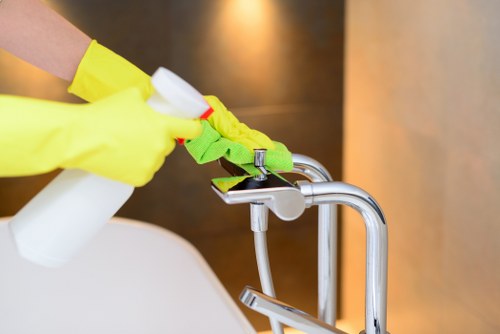 When people think about professional services, they often focus on the end result. However, the foundation of any reliable operation is a strong commitment to insurance and safety. From the first site visit to the final handover, every activity should be shaped by careful planning, clear procedures, and a culture that places protection first. This includes robust public liability insurance, comprehensive staff training, suitable PPE, and a structured risk assessment process.
Our approach to insurance and safety is built around prevention as much as protection. Accidents and disruptions can affect customers, workers, and property, so it is essential that every task is carried out with the right precautions in place. By combining reliable cover with day-to-day safe working practices, we reduce risk and help ensure every project is completed responsibly.
 A key part of this commitment is maintaining appropriate public liability insurance. This helps provide financial protection in the unlikely event that a third party suffers injury or property damage linked to our work. While no policy can replace careful working, public liability cover gives an added layer of reassurance and demonstrates that we take accountability seriously.
Equally important is staff training. Safe work depends on people understanding how to identify hazards, follow procedures, use equipment correctly, and respond appropriately when conditions change. Training is not a one-time exercise; it is an ongoing process that supports competence, consistency, and confidence across all roles. Team members are encouraged to stay alert, ask questions, and apply best practice on every job.
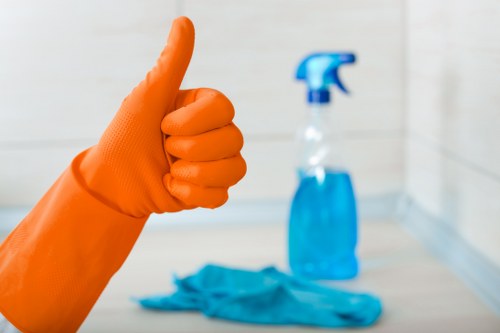 Training also helps reinforce the correct use of PPE, which is essential in many working environments. Depending on the task, this may include gloves, helmets, high-visibility clothing, eye protection, respiratory protection, or safety footwear. The aim is not simply to wear protective equipment, but to ensure that it is suitable for the task, properly fitted, and used in a way that genuinely reduces exposure to harm.
Our safety culture also depends on regular communication. Instructions are shared clearly, responsibilities are defined, and team members know how to raise concerns if something appears unsafe. This ensures that insurance and safety are not treated as separate issues, but as connected priorities that guide day-to-day decisions.
The risk assessment process is central to how we work. Before any activity begins, potential hazards are reviewed, the likelihood of harm is considered, and control measures are put in place. This process helps identify anything that could affect the safety of staff, clients, visitors, or the public. It may include checking access routes, assessing environmental conditions, reviewing equipment, and planning how to manage work at height, manual handling, or exposure to hazardous materials.
Once hazards have been identified, practical controls are introduced to reduce risk as far as reasonably possible. These may involve changing the sequence of work, isolating dangerous areas, using additional barriers, or specifying extra PPE. A well-managed risk assessment process ensures that precautions are tailored to the situation rather than applied in a generic way.
 This careful planning supports not only safer operations, but also better outcomes for everyone involved. When risks are controlled properly, work can proceed with greater confidence, fewer delays, and a stronger sense of professionalism. Good safety management helps protect people, property, and reputation while reinforcing the value of dependable insurance and safety standards.
Another important element of safe practice is regular review. Conditions can change over time, and a risk assessment that was suitable at the start of a project may need updating later. New hazards may appear, equipment may be introduced, or the scope of work may shift. For that reason, ongoing monitoring is essential. This flexible approach allows insurance and safety measures to remain effective throughout the duration of the work.
Clear records also play a valuable role. Documenting training, inspections, incident reporting, and control measures helps show that safety is being managed methodically. It also supports continuous improvement by highlighting patterns, lessons learned, and areas where processes can be strengthened. In this way, staff training, PPE checks, and hazard reviews all contribute to a stronger safety framework.
 Ultimately, our commitment to public liability insurance, staff training, PPE, and the risk assessment process reflects a broader responsibility to work carefully and professionally. Safety is not an optional extra; it is an essential part of every task. By maintaining high standards and using sensible controls, we help create an environment where people and property are protected at every stage.