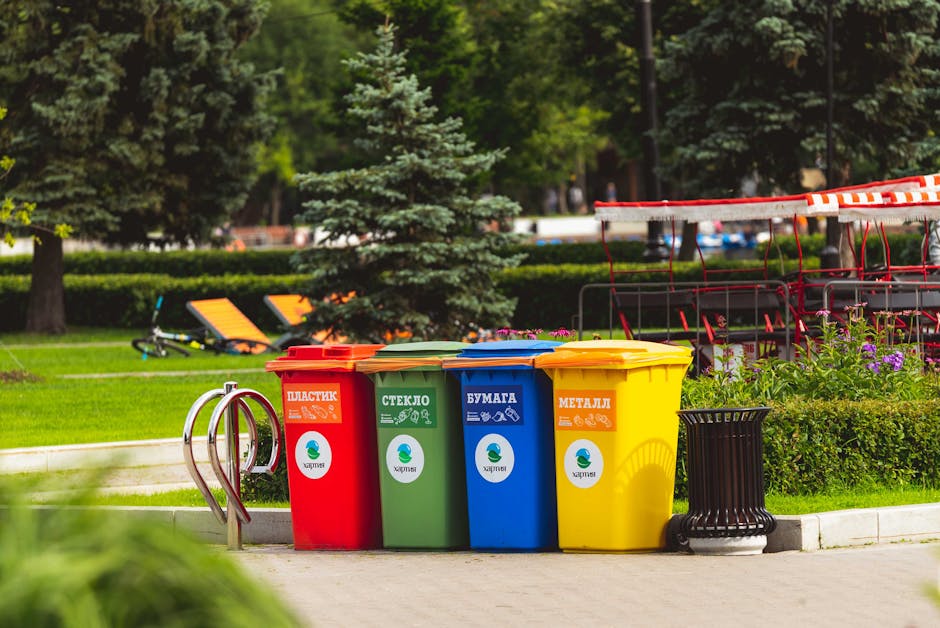
Kingston Council Rules for Cleaning Waste Disposal and Fines
If you are planning a deep clean, clearing out a flat, or dealing with bags of old carpet underlay after a redecorating job, the rules around waste can catch you out faster than you expect. Kingston Council Rules for Cleaning Waste Disposal and Fines are there to keep streets tidy, protect neighbours, and make sure rubbish goes to the right place. Sounds straightforward, but in real life the details matter: how you bag waste, where you place it, what counts as fly-tipping, and when a fine can follow.
This guide breaks everything down in plain English. You will learn how local waste rules typically apply to cleaning projects, what commonly triggers penalties, how to stay compliant, and what sensible habits make disposal much easier. There is no drama here, just the practical side of keeping a property clean without creating a bigger mess in the process.
Table of Contents
- Why Kingston Council Rules for Cleaning Waste Disposal and Fines Matters
- How Kingston Council Rules for Cleaning Waste Disposal and Fines Works
- Key Benefits and Practical Advantages
- Who This Is For and When It Makes Sense
- Step-by-Step Guidance
- Expert Tips for Better Results
- Common Mistakes to Avoid
- Tools, Resources and Recommendations
- Law, Compliance, Standards, or Best Practice
- Options, Methods, or Comparison Table
- Case Study or Real-World Example
- Practical Checklist
- Conclusion
- Frequently Asked Questions
Why Kingston Council Rules for Cleaning Waste Disposal and Fines Matters
Waste rules may not be the most exciting part of a cleaning project, but they are often the part that causes the most avoidable trouble. In Kingston, as in other London boroughs, household and commercial waste needs to be put out correctly, separated where required, and disposed of in a way that does not block pavements, attract pests, or create an eyesore for everyone else on the street.
For cleaning jobs, the risk is a little different from ordinary weekly rubbish. A deep clean can produce bulky items, contaminated materials, soaked cloths, broken fixtures, paint tins, old textiles, mattress offcuts, and general clutter that suddenly fills a boot, a hallway, or a van. If those materials are left outside the rules, even by accident, the council may treat it as an offence. And yes, fines can become a real headache.
The practical reason this matters is simple: proper disposal protects you from avoidable costs and protects the neighbourhood too. That includes the obvious things like avoiding fly-tipping, but also the less obvious ones, such as placing waste out too early, using the wrong container, or assuming a cleaner or contractor will handle everything without agreement. Let's face it, "I thought someone else was sorting it" is not a great defence when the bin lorry has moved on.
Expert summary: The safest approach is to treat cleaning waste like any other regulated household or business waste: sort it, store it securely, and only put it out using the right collection method. That one habit removes most of the risk.
How Kingston Council Rules for Cleaning Waste Disposal and Fines Works
At a practical level, Kingston Council waste rules work through a few basic ideas. First, waste must be presented correctly for collection. Second, anything left in a public place without permission can be treated as littering or fly-tipping. Third, certain items need special handling because they are bulky, sharp, hazardous, or unsuitable for normal refuse collection.
If you are cleaning a home, flat, office, or rental property, the exact responsibility depends on who created the waste and who arranged the disposal. If a cleaner produces waste during a job, the contract should make clear whether that waste is removed by the cleaner or kept onsite for the resident or landlord to handle. That detail matters more than people think.
In many cases, council enforcement begins with the obvious stuff: rubbish sacks left on the pavement, unsealed bags spilling liquid or debris, furniture dumped beside communal bins, or trades waste mixed into household bins. The council can investigate who is responsible, especially if packaging, paperwork, or identifiable contents are present. Not ideal, obviously.
For cleaning projects, there are usually three disposal routes:
- Household waste collection for standard rubbish that fits the usual bin system.
- Bulky waste or special collections for items like furniture, mattresses, and large cleaning debris.
- Licensed disposal arrangements for business waste or larger quantities from commercial cleaning work.
If you are arranging a deep clean and want peace of mind around waste handling, it helps to pair good disposal practice with reliable service standards. Pages like our health and safety policy and insurance and safety information show the kind of care that should sit behind any proper cleaning job, waste included.
Key Benefits and Practical Advantages
Following the rules is not just about avoiding a fine. There are some very real day-to-day benefits that make cleaning jobs smoother and less stressful.
- Fewer disputes between residents, landlords, tenants, and contractors.
- Cleaner communal areas with less risk of odours, leaks, or pest problems.
- Lower enforcement risk from incorrect placement or unauthorised dumping.
- Better workflow because waste is planned for rather than improvised at the end.
- More professional standards for anyone running regular cleaning or maintenance.
There is also a less obvious benefit: better waste handling often improves the cleaning result itself. If a cleaner has to keep stepping around debris, broken items, and old fabric, the job takes longer and the risk of cross-contamination goes up. A tidy disposal plan makes the actual cleaning more effective. Simple, but true.
For readers who want to reduce waste during routine upkeep, it can also help to think more broadly about sustainability. Our recycling and sustainability approach reflects a useful mindset: reduce what you throw away, separate what can be reused or recycled, and keep the remainder secure until collection.
Who This Is For and When It Makes Sense
This topic is relevant to a lot more people than you might expect. If any of the scenarios below sounds familiar, the rules are worth understanding before the bags start piling up by the front door.
- Homeowners clearing out after a renovation, moving house, or doing a major spring clean.
- Renters who need to leave a property tidy and avoid deductions or complaints.
- Landlords and letting agents managing end-of-tenancy clearances.
- Businesses booking office, shop, or commercial cleaning work.
- Cleaning contractors who need to know what they can remove, store, or leave behind.
- Property managers coordinating waste around communal bins and shared access areas.
It is especially relevant when waste is mixed with cleaning materials. Think half-empty containers, contaminated cloths, soiled absorbent pads, broken plastic items, or soaked carpet offcuts. Those are the awkward bits. The sort of thing nobody really wants to think about at 7am, but somebody has to.
If your situation is more than a straightforward home tidy-up, commercial-style planning helps. For example, a business that regularly generates waste during cleaning or maintenance may need to review commercial carpet cleaning alongside disposal and collection routines, especially where footfall is high and waste builds up quickly.
Step-by-Step Guidance
Here is a practical way to handle waste from a cleaning job without drifting into risky territory.
- Identify the waste before you start. Separate general rubbish, bulky items, recyclables, and anything potentially hazardous.
- Decide who is responsible. Is the cleaner removing it, or is it staying with the property owner? Put that in writing if needed.
- Use proper containers. Strong sacks, lidded bins, and sealed boxes are better than loose piles or open bags.
- Keep public areas clear. Do not block pavements, shared entrances, bin stores, or fire exits.
- Book the right collection method. Use council services or licensed removal where the waste is bulky or unsuitable for normal bins.
- Check the final placement. If anything is going out for collection, make sure it is at the permitted time and location.
- Document anything unusual. Photos or notes can help if there is a dispute later.
A useful way to think about it is this: if the waste looks awkward to you, it will probably be awkward for the council too. That's usually a signal to slow down and choose the safer option.
Quick practical example
Say you have just finished a deep clean after a small refurb. You have vacuum debris, a broken lampshade, soiled towels, and a few bulky bags of old underlay. If you mix them into one open heap in the alleyway, you are inviting complaints. If you sort them, bag them properly, and arrange the correct collection route, the whole thing becomes much more manageable.
Expert Tips for Better Results
In our experience, most waste problems do not come from bad intentions. They come from rushing. The last hour of a clean is where mistakes creep in, because everyone wants to finish and go home. Fair enough. But the final sweep matters.
- Label waste types internally when there is more than one person involved in the job.
- Use a "last check" routine before anything goes outside the property.
- Keep a separate bag for sharp or broken items so nobody gets hurt later.
- Dry items before disposal where possible to reduce drips, smells, and mess.
- Do not rely on guesswork for large or unusual waste. Check the collection route first.
Another useful tip: if you are cleaning upholstery, rugs, or soft furnishings, be careful about disposal of heavily soiled items. Some pieces can be cleaned rather than thrown away, and others may need special handling if they are saturated with cleaning solution or bodily fluids. For delicate items, it is often smarter to assess the cleaning option first, for instance through upholstery cleaning, rug cleaning, or mattress cleaning, depending on the item and its condition.
One more thing. If waste is tied to a strong smell, don't leave it hanging around. You can practically feel the room get heavier. Get it sealed and removed, then deal with the rest calmly.
Common Mistakes to Avoid
The mistakes are usually very ordinary, which is exactly why they happen so often.
- Putting waste out too early and leaving it exposed overnight.
- Using the wrong bin for bulky or trade-style waste.
- Leaving bags beside communal bins instead of inside the correct container or collection point.
- Mixing recyclables with general waste when separation is expected.
- Dumping cleaning debris in shared areas because it feels temporary.
- Assuming a contractor will remove everything without confirming it first.
- Ignoring spill risk from wet cloths, liquids, or cleaning residues.
Here is the sneaky one: people often think a bag "isn't really dumped" if it is just sitting near the bins for a short time. But if it is in the wrong place, or outside the allowed collection arrangements, that short time can still be enough. Councils do not always care whether it was there for ten minutes or ten hours. A bag left illegally is still an issue.
Also, if you are dealing with fragile contents, don't overfill sacks. A split bag on a wet pavement is a nuisance for everyone, and it can be the start of a complaint you absolutely did not want.
Tools, Resources and Recommendations
You do not need a huge kit to manage waste properly, but a few basics help a lot.
- Heavy-duty refuse sacks for general cleaning waste.
- Reusable containers for sorting and moving items safely indoors.
- Gloves and basic protective gear when handling sharp, dirty, or damp waste.
- Marker pens and labels so teams can identify bag contents quickly.
- Door protection and floor coverings to keep routes clean while waste is being moved.
For ongoing cleaning work, it also helps to keep your internal paperwork in order. Quotes, agreed scopes, and service terms reduce confusion about who handles disposal. If you are reviewing provider documents, pages such as terms and conditions and pricing and quotes can be useful places to check what is included and what is not. That is the boring bit, yes, but it saves arguments later.
If you need to speak to a company about a one-off clean, or want to clarify how disposal is handled as part of the job, use the contact page. Sometimes the simplest route is to ask directly rather than guess.
Law, Compliance, Standards, or Best Practice
Waste disposal is shaped by a mixture of council rules, environmental responsibilities, and basic property management common sense. Without drifting into legalese, the main point is this: if waste is produced, it has to be stored, moved, and disposed of responsibly. That applies whether it comes from a household tidy, a rental turn-around, or regular commercial cleaning.
Good practice usually means:
- keeping waste contained;
- not blocking public access;
- using the correct collection system;
- separating recyclable or reusable material where appropriate;
- and avoiding any disposal method that could be treated as fly-tipping.
If waste is generated through a business or trade activity, the standard tends to be stricter. The cleaner, contractor, or business owner may need to show that waste was managed through a proper route. That is especially important for larger volumes, repeated collections, or anything that is not normal household rubbish.
Best practice also includes keeping things proportionate. Not every bag of waste needs a complicated process, but not every situation should be handled casually either. A small one-off job may be simple; a multi-room clean after building work may need more planning. The judgement call matters.
Options, Methods, or Comparison Table
Choosing the right disposal method usually comes down to volume, type of waste, and how quickly it needs to go. The table below gives a simple comparison.
| Method | Best for | Pros | Watch-outs |
|---|---|---|---|
| Regular household bin collection | Small amounts of normal cleaning waste | Simple, low effort, familiar | Not suitable for bulky or specialist items |
| Bulky collection service | Large items such as furniture, mattresses, or mixed clear-out waste | Convenient for bigger jobs | Needs planning and may have restrictions |
| Licensed waste removal | Commercial cleaning waste or larger, complex loads | Best for volume and compliance | Requires proper booking and clear responsibility |
| Onsite sorting and staged disposal | Jobs that generate several waste types | Reduces confusion and improves recycling | Takes more organisation at the start |
If you are unsure, do not guess. The safer method is usually the one that creates the least chance of waste ending up in the wrong place. That sounds obvious, I know, but it is where many people stumble.
Case Study or Real-World Example
Imagine a landlord in Kingston preparing a two-bedroom flat between tenancies. The property needs a full clean, a few damaged items have to go, and the hallway already looks a bit like a staging area for cardboard and old curtain rails. Nothing dramatic, just one of those jobs that snowballs.
The first instinct might be to set everything outside in the communal area and sort it later. That is where trouble starts. Instead, the landlord separates the items into clear groups: reusable fixtures, general waste, soft furnishings, and bulky disposal. The cleaner finishes the interior work, the landlord confirms what is being removed, and the bulky items are booked for the correct collection route. No blocked entrance. No mystery pile. No complaints from neighbours who are already having a long day.
Now compare that with the messy version. Bags left beside the bins, a mattress leaning against a wall, damp cleaning cloths inside open sacks, and nobody quite sure who was responsible. That is exactly the kind of scene that turns into a council issue. The difference is rarely effort. It is usually planning, and a bit of calm thinking before the last bag leaves the house.
Practical Checklist
Use this checklist before disposing of cleaning waste in Kingston:
- Have I identified what type of waste this is?
- Is any item bulky, sharp, wet, or potentially hazardous?
- Do I know who is responsible for removal?
- Are the bags or containers strong enough to hold the load?
- Is the waste kept off pavements, entrances, and shared access routes?
- Does this need council collection or another approved disposal method?
- Have I separated recyclables where practical?
- Are there any odours, leaks, or contamination risks?
- Have I checked the agreed scope if a contractor is involved?
- Is everything ready for collection at the right time?
If you can tick those off without hesitation, you are already ahead of most avoidable waste problems. Seriously, that little bit of order goes a long way.
Get a free quote today and see how much you can save.
Conclusion
Kingston Council Rules for Cleaning Waste Disposal and Fines are really about one thing: handling waste responsibly enough that it never becomes someone else's problem. Whether you are cleaning a home, managing a tenancy change, or organising a commercial job, the same core habits apply. Sort the waste, secure it properly, use the right disposal route, and keep public spaces clear.
Most fines and complaints are not the result of something complicated. They happen because waste was left in the wrong place, at the wrong time, or with the wrong assumptions attached. Once you understand that, the whole process becomes much easier to manage. A little care at the end of the job is worth a lot more than a rushed shortcut.
And honestly, that is often the real difference between a stressful clean and a smooth one. A tidy finish feels better. The room looks better. The street looks better. Everyone breathes a little easier.
Frequently Asked Questions
What are Kingston Council Rules for Cleaning Waste Disposal and Fines meant to prevent?
They are designed to stop waste being left in the wrong place, disposed of illegally, or handled in a way that causes mess, obstruction, or environmental problems. For cleaning jobs, that usually means managing bags, bulky items, and any waste created during the clean with proper care.
Can I leave rubbish bags beside a bin if they do not fit inside?
Usually not. Bags left beside bins can be treated as improperly disposed waste, especially if they block access or are left in a communal area. If waste does not fit, it is better to arrange an appropriate collection method rather than leave it out and hope for the best.
Who is responsible for waste created during a cleaning job?
That depends on the agreement. Sometimes the cleaner removes the waste, sometimes the property owner or tenant does, and sometimes it is split by category. The important thing is to confirm responsibility before the job starts, not after the bags are already stacked by the door.
What kind of cleaning waste usually causes problems?
Bulky items, broken fixtures, soaked materials, sharp debris, and mixed waste are the most common troublemakers. Anything that is awkward to carry, likely to leak, or not suitable for the normal household bin needs more thought.
Do commercial cleaning jobs face stricter expectations?
Often yes. Business waste typically needs a more careful disposal process, especially when it is produced regularly or in larger volumes. Good documentation and a clear disposal plan are much more important in commercial settings.
How can I avoid fines when disposing of waste after a deep clean?
Keep waste contained, use the correct collection route, do not obstruct public areas, and make sure any bulky or unusual items are handled properly. If you are unsure, check the rules before the waste goes out rather than after.
Is it okay to put cleaning waste out early in the morning before collection?
Only if that timing is allowed and the waste is placed correctly. Putting things out too early can still lead to issues, especially if bags are torn open, moved, or scattered before collection.
What should I do with wet cloths, dirty towels, or soaked materials?
Seal them properly and keep them contained. Wet waste can leak, smell, and create a nuisance very quickly. If there is a lot of contamination or the material is unusually soiled, treat it more cautiously and use the safest disposal route available.
Can a cleaner remove waste as part of a service?
Yes, sometimes they can, but only if that is included in the service scope. Always check what the job covers. A good provider will be clear about what is included and what is excluded before work begins.
What is the simplest way to stay compliant during a move-out clean?
Separate the waste early, label anything bulky, avoid leaving items in communal areas, and confirm collection arrangements before the final sweep. Move-out cleans can get rushed, so a basic system helps more than you might think.
Do I need special handling for mattresses, furniture, or carpets?
Usually yes, because these items are bulky and not suitable for ordinary bins. Depending on condition, some soft furnishings may be worth cleaning instead of replacing, while others need bulky disposal. A quick assessment saves time and money.
Where can I check what a cleaning service includes?
Look at the provider's service details and terms. Useful pages include terms and conditions and pricing and quotes, which help clarify scope, responsibilities, and expectations before any work starts.