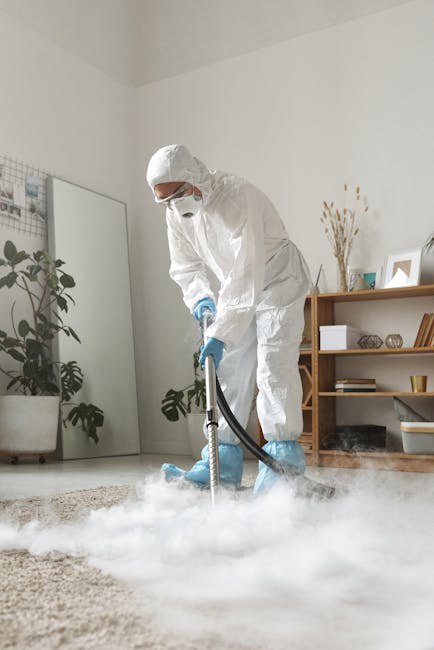
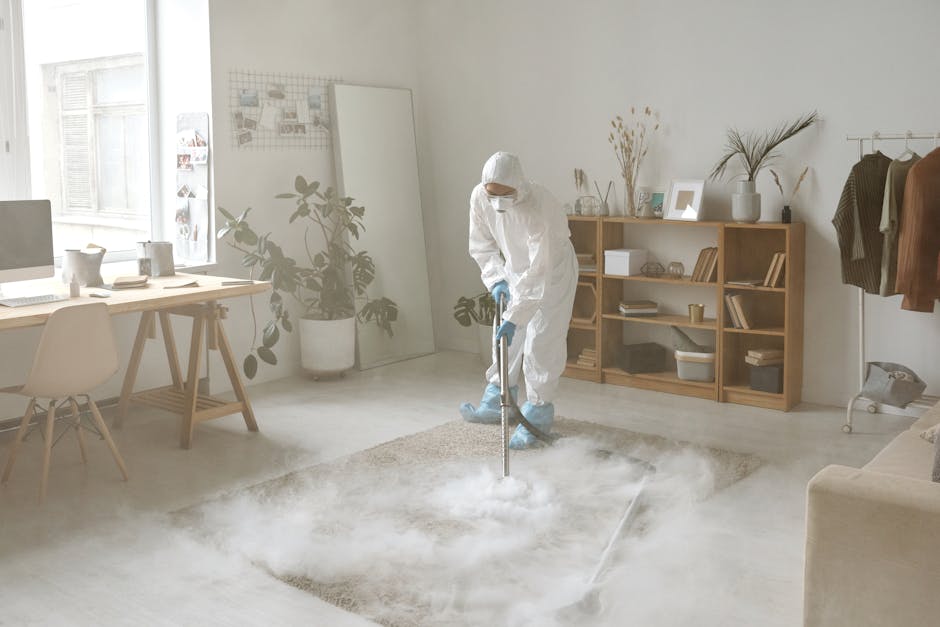
Emergency Carpet Cleaning Kingston Riverside for Urgent Stains
When a spill lands on your carpet at the worst possible moment, it can feel like the room has suddenly gone off balance. Red wine before guests arrive, muddy footprints after a rainy evening by the river, or a pet accident that soaks in before you can blink - these are the moments when Emergency Carpet Cleaning Kingston Riverside for Urgent Stains stops being a nice-to-have and becomes the sensible next move. The goal is simple: act quickly, protect the fibres, and prevent a small mess from becoming a stubborn stain or a lingering smell.
In Kingston Riverside, where homes, rentals, offices, and busy shared spaces all see a lot of daily footfall, fast response matters more than people realise. In this guide, you'll learn how emergency carpet cleaning works, what to do first, how to avoid making the damage worse, and how to choose the right approach when time is tight. I'll keep it practical. No fluff, no drama - just useful advice you can act on straight away.
Table of Contents
- Why Emergency Carpet Cleaning Kingston Riverside for Urgent Stains Matters
- How Emergency Carpet Cleaning Kingston Riverside for Urgent Stains Works
- Key Benefits and Practical Advantages
- Who This Is For and When It Makes Sense
- Step-by-Step Guidance
- Expert Tips for Better Results
- Common Mistakes to Avoid
- Tools, Resources and Recommendations
- Law, Compliance, Standards, or Best Practice
- Options, Methods, or Comparison Table
- Case Study or Real-World Example
- Practical Checklist
- Conclusion
- Frequently Asked Questions
Why Emergency Carpet Cleaning Kingston Riverside for Urgent Stains Matters
Urgent stains are not just about appearance. A fresh spill can spread deep into the pile, soak the underlay, and lock in odour if it is left sitting too long. That is especially true with drinks that contain colourants, oils, or sugar, and with anything organic such as food, milk, blood, or pet accidents. A stain that looks minor at 6 pm can look very different by the next morning. Truth be told, carpets have a way of hiding trouble until it has already settled in.
Emergency carpet cleaning matters because speed changes the outcome. The sooner the stain is treated, the greater the chance of lifting it cleanly without harsh scrubbing or permanent fibre damage. That is important in homes, but it also matters in rented properties, guest accommodation, shops, and offices where appearance and hygiene are part of daily life. If you are trying to protect a deposit, keep a business presentable, or simply avoid the smell that starts creeping in overnight, a prompt response is worth a lot.
There's also a practical side that gets overlooked: the wrong first move can make professional cleaning harder later. Water, heat, bleach, and vigorous rubbing can all drive a stain deeper or distort the carpet pile. A calm, informed response tends to work better than a panicked one. Not glamorous, I know. But very effective.
For readers who want a broader overview of standard carpet care, the site's carpet cleaning service information can help you understand how routine and emergency treatments differ.
How Emergency Carpet Cleaning Kingston Riverside for Urgent Stains Works
Emergency cleaning is usually a faster, more targeted version of a normal carpet clean. Instead of treating the whole room first, the cleaner focuses on the stain type, the carpet fibre, the level of saturation, and any nearby risk of spread. The process is less about brute force and more about control. Small detail, big difference.
Most urgent stain jobs follow a practical sequence:
- Assessment: Identify the stain, fibre type, pile construction, and how far the spill has travelled.
- Containment: Stop the stain spreading by blotting, isolating moisture, and protecting nearby areas.
- Pre-treatment: Apply a suitable solution to break down the residue without damaging the carpet.
- Extraction or spot cleaning: Remove the stain using controlled moisture and suction, or specialised stain removal methods.
- Odour treatment if needed: Address smells from food, pets, or organic spills before they settle.
- Drying support: Improve airflow and reduce the chance of re-soiling or wicking.
In practice, the method depends on the stain. Tea and coffee may need different treatment from grease, and pet stains are their own little world entirely. A professional will usually choose the least aggressive method that can still get results. That's the sweet spot.
For tough marks, specialist stain removal support can be a better fit than general cleaning alone, particularly when the spill has already started to bond with the fibres.
Some cases call for deeper cleaning methods. If the carpet can handle it, steam carpet cleaning may be used after spot treatment to help flush out residue from the base of the pile. That said, not every carpet likes heat or heavy moisture. A good cleaner will judge carefully rather than guessing. Guessing is how carpets get grumpy.
Key Benefits and Practical Advantages
The obvious benefit is stain reduction. But the real value of emergency carpet cleaning is broader than that. It protects the carpet's look, helps preserve the fibres, and can reduce the chance that a temporary mishap becomes a lasting problem. If you have ever tried to live with a faint dark patch in the middle of a bright room, you already know how distracting it can be.
- Fast damage control: Stops spills from spreading into a bigger patch.
- Better stain lift: Fresh stains are usually easier to remove than old, set-in ones.
- Odour prevention: Useful for food, drink, and pet-related incidents.
- Reduced fibre stress: Avoids over-scrubbing and harsh DIY treatment.
- Improved presentation: Important for visitors, tenants, landlords, and businesses.
- More cost-effective in the long run: Quick treatment can help avoid more extensive work later.
There is another advantage that people notice later on: confidence. Once you know what to do, a spill feels less like a disaster and more like a solvable problem. That matters on busy days, especially in family homes or customer-facing spaces where you do not exactly have the luxury of waiting around.
If the issue affects soft furnishings too, a coordinated approach can help. The same stain source might have landed on a sofa arm, a rug edge, or upholstery nearby. In those cases, sofa cleaning, rug cleaning, and upholstery cleaning may also be worth considering so the room feels consistently fresh again.
Who This Is For and When It Makes Sense
Emergency carpet cleaning is not only for major accidents. It makes sense any time a stain is fresh, visible, spreading, or likely to smell later. That can include a lot of ordinary situations, from a tipped cup of coffee to a pet accident on a hallway runner. If the carpet is in a high-traffic area, acting quickly is even more useful because dirt and moisture get tracked around more easily.
This service is particularly relevant for:
- Homeowners and tenants: Especially if the stain is in a living room, hallway, or bedroom.
- Landlords and letting agents: Quick response can help reduce avoidable wear between tenancies.
- Businesses: Reception areas, offices, and customer spaces need to stay presentable.
- Families with children: Spills happen. Often with a dramatic pause and a sticky floor.
- Pet owners: Urine, mud, vomit, and odour can settle fast if left untreated.
- Anyone preparing for guests or a handover: Time pressure is exactly when emergency cleaning helps most.
It also makes sense when the stain is likely to worsen if you wait. That includes liquid spills, food grease, pet accidents, and anything with dye. On the other hand, if a mark is old and dry, the approach may shift from emergency response to a more deliberate deep clean. That distinction matters.
For pet-related accidents, a targeted approach often helps more than a general one, so pet stain and odour removal can be especially useful when smell is part of the problem, not just the visible mark.
Step-by-Step Guidance
If you are dealing with a fresh stain right now, a careful first response can make a real difference. Here is the most sensible sequence to follow before any professional cleaner arrives. Keep it simple. No heroic scrubbing.
- Blot, don't rub. Use a clean white cloth or paper towel and press gently to absorb as much liquid as possible. Rubbing drives the spill deeper and can rough up the pile.
- Work from the outside in. This helps limit spread. Start at the edge of the stain and move inward with light pressure.
- Use minimal moisture. If you use water, use a very small amount. Too much can spread the stain or soak the underlay.
- Avoid random chemicals. If you are unsure what the stain is, do not reach for bleach, vinegar, or a strong spray cleaner at random. Some products react badly with fibres or dyes.
- Lift solids carefully. For mud or food, remove the surface material first with a spoon or blunt edge before blotting the remainder.
- Keep the area ventilated. Open a window if possible and encourage airflow. Drying early helps a lot.
- Identify the stain if you can. Coffee, red wine, ink, grease, and urine all behave differently. Even roughly identifying it helps.
- Arrange professional help when needed. If the stain remains visible, starts smelling, or affects a large patch, get targeted cleaning rather than letting it set.
A small but useful note: if you are unsure whether the carpet is wool, synthetic, or a blend, treat it gently. Some fibres are more sensitive than others. That's one of those details people only learn after the fact, usually with a slightly unfortunate look on their face.
If the spill has gone beyond the carpet and onto curtains or furniture, it may be sensible to address those at the same time. Options like curtain cleaning and sofa cleaning can help keep the room consistent rather than cleaning one surface and leaving another visibly marked.
Expert Tips for Better Results
In our experience, the best results come from restraint first and chemistry second. The temptation is to attack the stain immediately. But the cleaner the method, the less likely you are to create a new problem while solving the old one.
- Use white cloths instead of coloured towels. Dye transfer is a real thing, and it is annoying.
- Test any spot treatment on a hidden patch first. Especially with older carpets or delicate fibres.
- Do not over-wet the carpet. Excess water can pull grime up from below and leave a ring later.
- Work quickly but calmly. A rushed approach often spreads the problem.
- Check the underlay risk. If the carpet feels saturated, the stain may not be just surface-deep.
- Use airflow to your advantage. Open windows, switch on fans, and keep furniture off damp areas where possible.
- Treat odour as its own issue. A stain can look improved while still leaving a smell behind.
Here's one small but important truth: not every stain should be treated the same way just because it is a stain. Mud, grease, wine, ink, makeup, pet urine, and food spills all need different handling. That is why an experienced technician often asks a lot of questions before they start. It is not small talk. It is part of getting the job right.
For complex jobs involving deep pile, hard-to-reach edges, or mixed fabric surfaces, you may also want to look at upholstery cleaning or rug cleaning if the spill has migrated beyond the carpet itself.
Common Mistakes to Avoid
This is where a lot of avoidable damage happens. The mistake is usually not the spill. It is the response to the spill. Let's face it, when panic meets a cream carpet, sensible decisions can disappear very quickly.
- Rubbing the stain hard: This frays fibres and pushes residue deeper.
- Using too much water: It can spread colour and create a larger damp area than the original spill.
- Applying heat immediately: Heat can set some stains, especially protein-based or coloured ones.
- Mixing cleaning products: That can cause unpredictable reactions and leave residue behind.
- Ignoring the smell: A stain that looks faint may still need odour treatment.
- Waiting too long: Fresh stains are almost always easier than set stains.
- Assuming one method fits all: It rarely does.
Another common issue is trying to cover the stain before it is actually treated. A rug on top of a damp patch might feel like a quick fix, but it often traps moisture. Not ideal. If the area is likely to stay hidden, that can make it even easier to miss ongoing odour or re-soiling.
When the spill has spread into the surrounding carpet or a larger area of the property, a more complete approach may be needed. In those situations, the broader carpet cleaning service can be more appropriate than a simple spot treatment alone.
Tools, Resources and Recommendations
You do not need a suitcase full of equipment to handle the first few minutes of a stain. In fact, having a small, sensible kit ready is often better than improvising with whatever is under the sink. A neat little emergency setup can save time and stress.
- Clean white cloths or paper towels
- Blunt spoon or scraper for solids
- Gloves for hygiene, especially with pet or body-fluid spills
- Access to good ventilation
- A vacuum cleaner for dry debris once safe to use
- Basic note of what the stain is and when it happened
If you are choosing professional help, look for a team that explains its process clearly, offers practical advice, and is comfortable discussing the fibre type, stain type, and any risks before starting. Clear communication is a good sign. So is not promising miracles on the phone. Real experts tend to be honest about what is likely, what is uncertain, and what needs a close look in person.
When you are comparing service options, the website's pricing and quotes information can help you understand how a cleaner may frame the work, while insurance and safety details are useful for checking peace of mind before anyone steps into your home or premises.
Law, Compliance, Standards, or Best Practice
For urgent carpet cleaning, the most relevant compliance issues are usually practical rather than complicated. In the UK, cleaners are expected to work safely, use products responsibly, and avoid causing unnecessary damage to property or surfaces. In commercial settings, there may also be internal hygiene rules, lease obligations, or health and safety expectations that influence how quickly a spill must be dealt with.
From a best-practice point of view, a good cleaner should be careful with:
- Safe use of cleaning solutions: Appropriate dilution, controlled application, and sensible handling.
- Material awareness: Different fibres and backings require different treatment.
- Property protection: Floors, furnishings, and nearby items should be considered before treatment starts.
- Hygiene: Particularly where pets, food, or biological spills are involved.
- Clear expectations: It is better to explain limitations honestly than to overpromise.
If you are a tenant, landlord, or business owner, it also makes sense to keep records of any incident and the cleaning carried out, especially if the spill affects a rental handover or a workplace surface. Nothing dramatic. Just sensible housekeeping. That kind of record can save a lot of back-and-forth later.
For businesses with larger floor areas, commercial carpet cleaning may be the more appropriate route, especially where urgent cleaning needs to fit around trading hours or staff access.
Options, Methods, or Comparison Table
Not every urgent stain needs the same level of intervention. Here is a simple comparison to help you think clearly about the options.
| Approach | Best for | Pros | Limitations |
|---|---|---|---|
| Immediate blotting at home | Fresh liquid spills | Fast, cheap, prevents spread | May not remove deeper residue or odour |
| Targeted spot treatment | Small visible stains | Focused, efficient, less moisture | Not ideal for large or saturated areas |
| Professional emergency cleaning | Urgent, stubborn, or sensitive stains | Better stain matching, safer product choice, deeper extraction | May cost more than DIY, though often worth it |
| Full carpet clean after treatment | Large spills, repeated soiling, or widespread dirt | More even finish, freshens the whole room | Can take longer to dry |
As a rule, if the spill is fresh and tiny, start with careful blotting. If it is spreading, smells, or involves a delicate carpet, bring in professional help sooner rather than later. There is no prize for "most stubborn person in the room".
For stubborn marks on softer surfaces that need similar care, the service pages for mattress cleaning and stain removal can also be relevant if the incident affected more than just the floor.
Case Study or Real-World Example
Picture a typical Kingston Riverside evening. Someone brings in takeaway drinks after a late walk, puts a bag down too quickly, and a coffee spills across the living room carpet. It is dark outside, the room is already in use, and by the time the first person notices, the stain has started to spread into the pile. A classic annoying moment.
The first response is calm blotting with a clean cloth. No rubbing. The visible edge is contained, and the room is kept ventilated while help is arranged. On inspection, the cleaner checks the fibre type and the likely stain composition before choosing a suitable pre-treatment. A small amount of residue lifts, but a faint mark remains, so a more precise stain treatment is applied. Because the spill is fresh, the result is much better than if it had been left overnight. The carpet looks normal again, and more importantly, there is no sour smell the next day.
That kind of result is not unusual. What makes the difference is timing and method. If the same coffee had been worked in with a coloured cloth or saturated with water, the job would have been messier. Maybe still fixable. But messier, for sure.
And if the incident had also splashed onto nearby fabric furniture, a matching clean for the seating area would have been a sensible follow-up. A room works as a whole, not as separate islands.
Practical Checklist
Use this quick checklist when a stain happens and you need to think clearly fast.
- Identify the spill if you can.
- Blot gently with a clean white cloth.
- Do not rub or scrub.
- Keep moisture to a minimum.
- Avoid random chemical mixes.
- Remove any solids carefully first.
- Improve ventilation.
- Check whether the stain has reached the underlay.
- Watch for odour as well as visible marks.
- Arrange professional help if the stain is large, delicate, or stubborn.
- Protect nearby rugs, sofas, or upholstery if they were also affected.
- Keep a note of what happened and when.
Expert summary: the fastest way to improve results is to treat the spill gently, avoid over-wetting, and decide early whether the stain needs specialist attention. Fresh stains are far easier than set ones. That part never really changes.
Conclusion
Emergency carpet cleaning is about more than removing a mark. It is about protecting the look, feel, and cleanliness of a room before a small accident turns into a bigger headache. In Kingston Riverside, where life moves quickly and carpets see plenty of daily use, having a clear plan for urgent stains is simply smart.
The best approach is usually the simplest one: blot first, avoid panic, use the right method for the stain, and call in help when the issue is beyond a basic spot clean. Whether the problem is a drink spill, pet accident, muddy footprint, or something more stubborn, prompt action gives you the best chance of a good result. And honestly, that bit of calm can make the whole situation feel less awful.
Get a free quote today and see how much you can save.
Frequently Asked Questions
How quickly should I act after a carpet spill?
As quickly as possible. The first few minutes matter most because fresh spills are easier to lift before they sink deeper into the pile or begin to dry around the edges.
Can I use hot water on a fresh stain?
Usually not as a first step. Hot water can set certain stains, especially protein-based or coloured ones. Cool or lukewarm water is safer if any moisture is needed at all.
What is the best way to remove a liquid stain from carpet?
Blot gently with a clean white cloth, starting from the outside of the stain and moving inward. Do not rub. If the stain remains, professional spot treatment is often the next sensible step.
Are pet stains different from food or drink spills?
Yes. Pet stains often carry odour as well as visible residue, and they can soak into the carpet backing. That usually means more than a simple surface clean.
Will emergency carpet cleaning remove old stains too?
Sometimes, but older stains are harder because they may already be set. Emergency cleaning works best on fresh or still-damp stains, though a skilled cleaner may still improve older marks.
How do I know if the stain has reached the underlay?
If the carpet feels saturated, smells persist, or the stain keeps reappearing after drying, it may have reached below the surface. That is when a more thorough treatment is often needed.
Is steam cleaning always the right answer?
No. Steam cleaning can be useful, but not every carpet or stain type responds well to heat and moisture. Sometimes a targeted stain treatment is safer and more effective.
Can I clean the stain myself before calling a professional?
Yes, but keep it light. Blotting and cautious containment are sensible first steps. Avoid strong chemicals, heavy scrubbing, and soaking the area.
What if the stain is on a rug or sofa as well?
Then it is worth treating the affected items together. A matching clean for rugs or upholstery can prevent the room from looking half-finished, which is more common than people expect.
How long does a professional emergency carpet clean usually take?
That depends on the stain size, fibre type, and whether drying support is needed. A small spot may be quick, while a deeper spill can take longer because the cleaner has to work carefully.
Is emergency carpet cleaning suitable for businesses?
Yes. It is often very useful in offices, shops, reception areas, and other customer-facing spaces where appearance and hygiene need to be restored quickly.
What should I ask before booking urgent stain removal?
Ask what the cleaner thinks the stain is, how they plan to treat it, whether the carpet fibre is suitable for the method, and what drying time you should expect. Clear answers are a good sign.